
If you or someone you care about is in crisis and needs immediate help dial the Suicide & Crisis Lifeline at 988 or call 911 for emergency response.
About Zero Suicide Communities
Zero Suicide is an aspirational, but essential goal. This movement was initially launched by the U.S. National Strategy for Suicide Prevention in 2012 with the intention of enhancing suicide care in healthcare systems across the country. It’s made a marked positive impact, but with one life lost to suicide every 11 minutes in the U.S., we need to enlist others to help. Family, friends, colleagues, bosses, teachers and coaches – we all can help prevent suicide. Now is the time to step up and speak out. We must educate ourselves about suicide and what we can do to help. It’s a shared responsibility and why we must work to become a suicide-safer city. You can make a difference – take the pledge today.
Take the Pledge
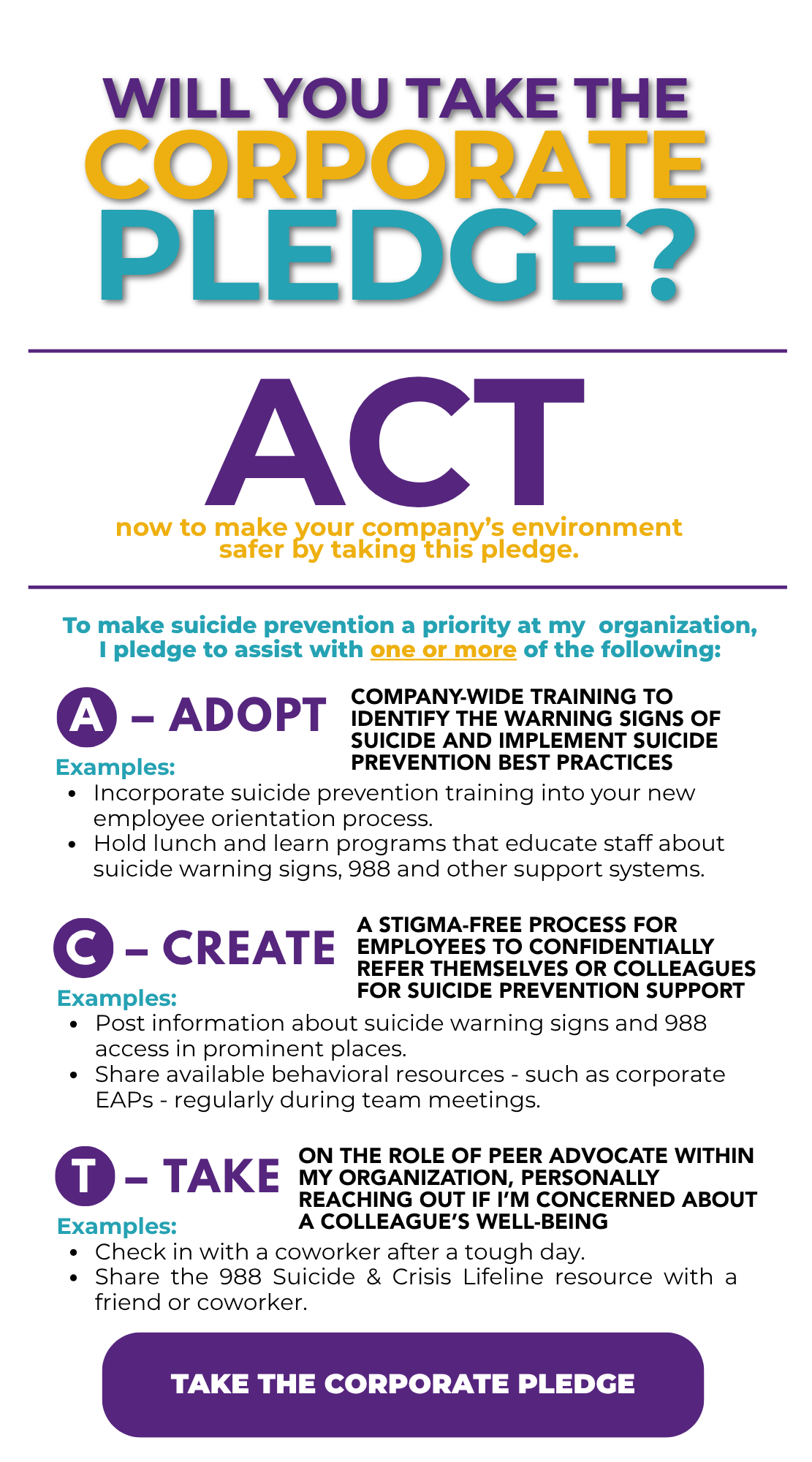
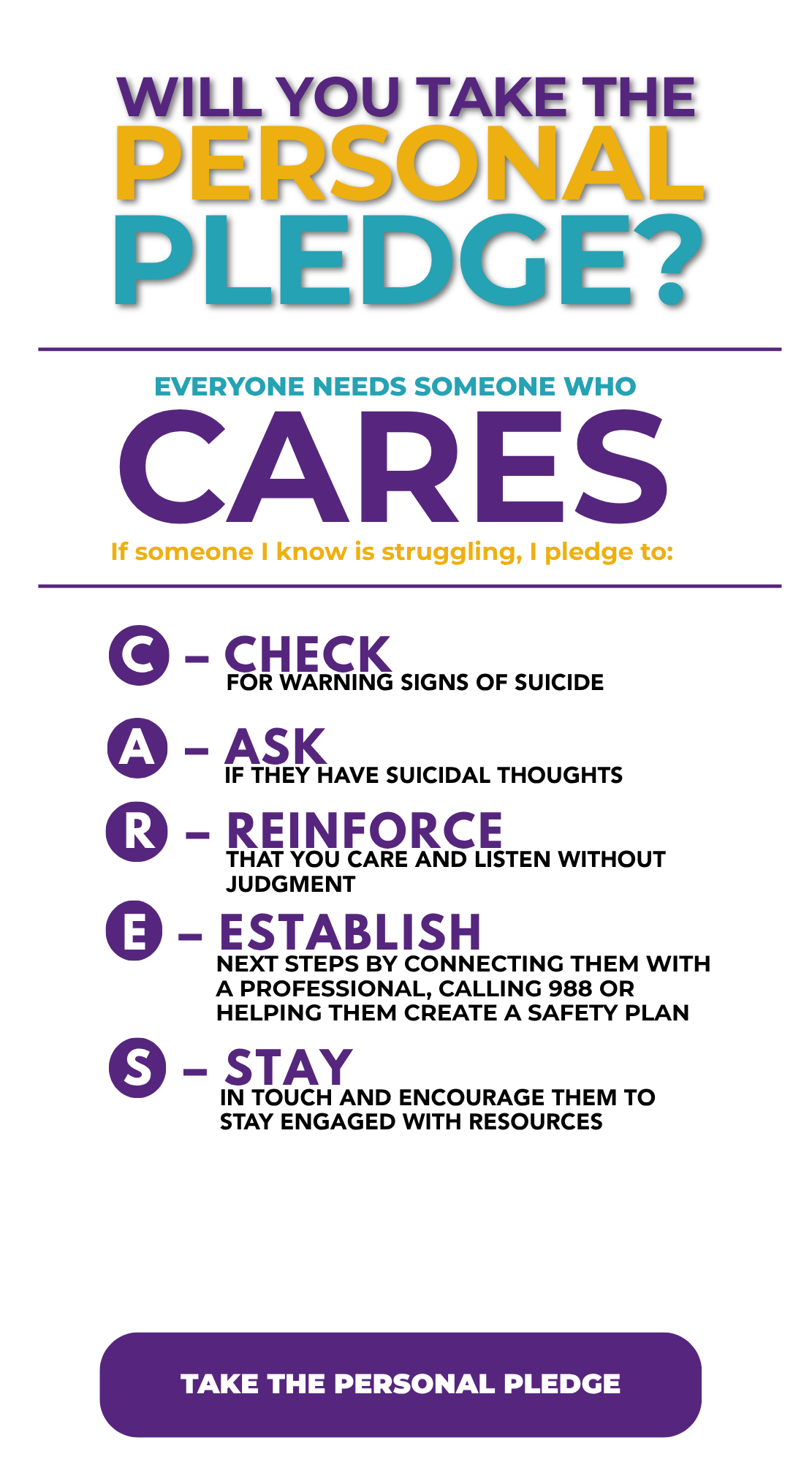
Almost 50,000 people in the U.S. died by suicide in 2023, according to the Centers for Disease Control. Florida Health Charts reports that 176 people took their lives that same year in Duval County alone. Even one life lost to suicide is one too many. Together we can work toward zero suicides by educating ourselves on the warning signs and lending our support to someone who is struggling.
Testimonials
“When things feel too heavy, just know you are not alone. There are people who care, including me, ready to help you find the support and resources you deserve.”
Tenikka Hughes, Anchor
CBS47/FOX30 Action News Jax
Businesses That Have Taken the Pledge












Be a Zero-suicide Advocate!
One of the keys to eliminating suicide is removing the stigma of talking about it and mental health issues. Please share your commitment to the cause on social platforms and more. We’ve made it easy.